ComicWave keeps the character consistency workflow plan, generated panels and lettering as separate stages. You can review the structure before drawing and replace one weak result without discarding accepted work.
Character consistencyin AI comics.
Consistent characters in AI comics come from a controlled workflow: define stable identity anchors, approve a compact reference set, separate permanent traits from scene state, label every reference, and review each new panel before continuing.
Try it here
Fast Comic planning is free — you approve before anything is drawnConsistency checklist
- Face
- Shape, features, age cues and marks
- Silhouette
- Height, build, hair and posture
- Signature
- Two or three recognisable details
- Wardrobe
- Base outfit with explicit variants
- State
- Temporary props, weather and damage
- Review
- Compare and correct every new panel
Define identity
Write the few traits that must survive every scene: face shape, age cues, build, hair and a small number of signature details. Avoid mixing permanent identity with a temporary outfit.
Describe observable facts rather than personality labels. A reader can see a triangular earring or uneven fringe; they cannot see that a person is secretly brave.
Build evidence
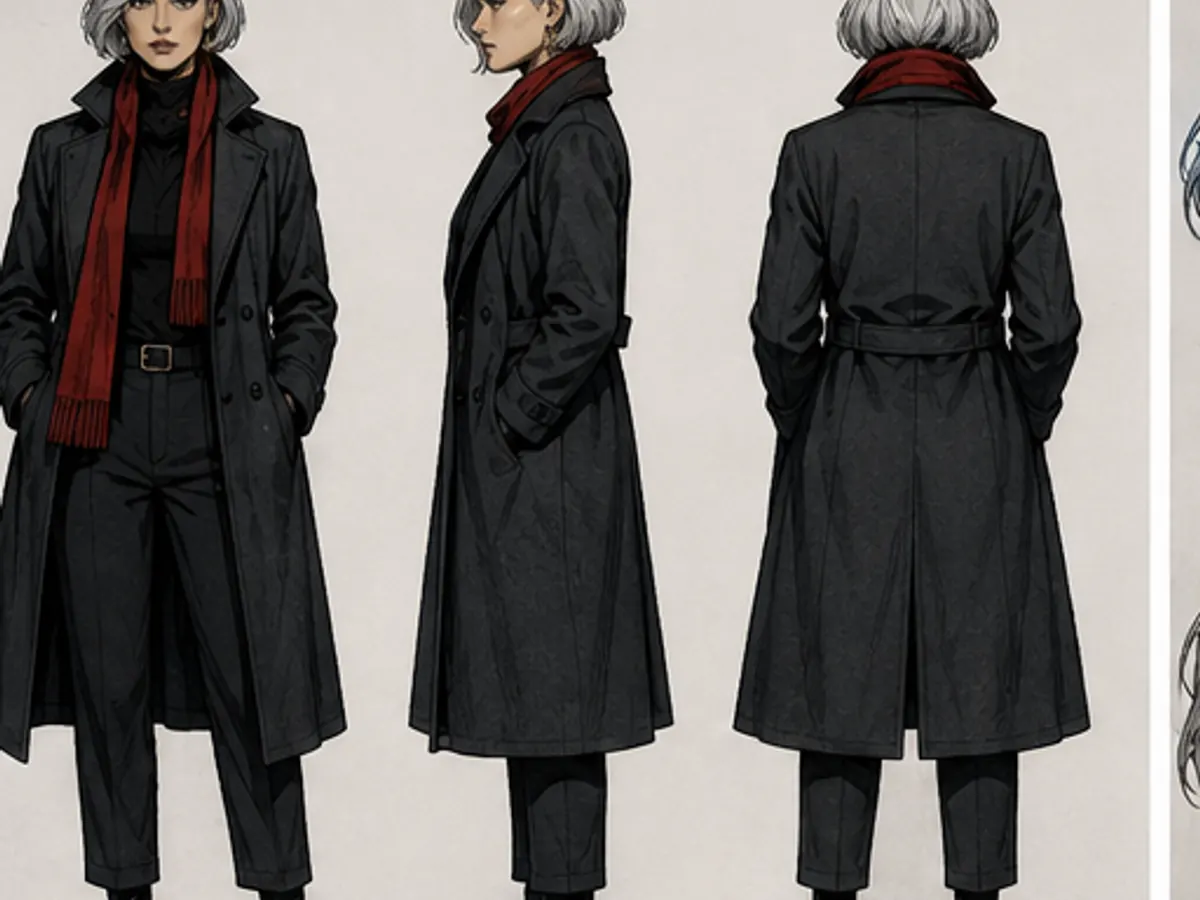
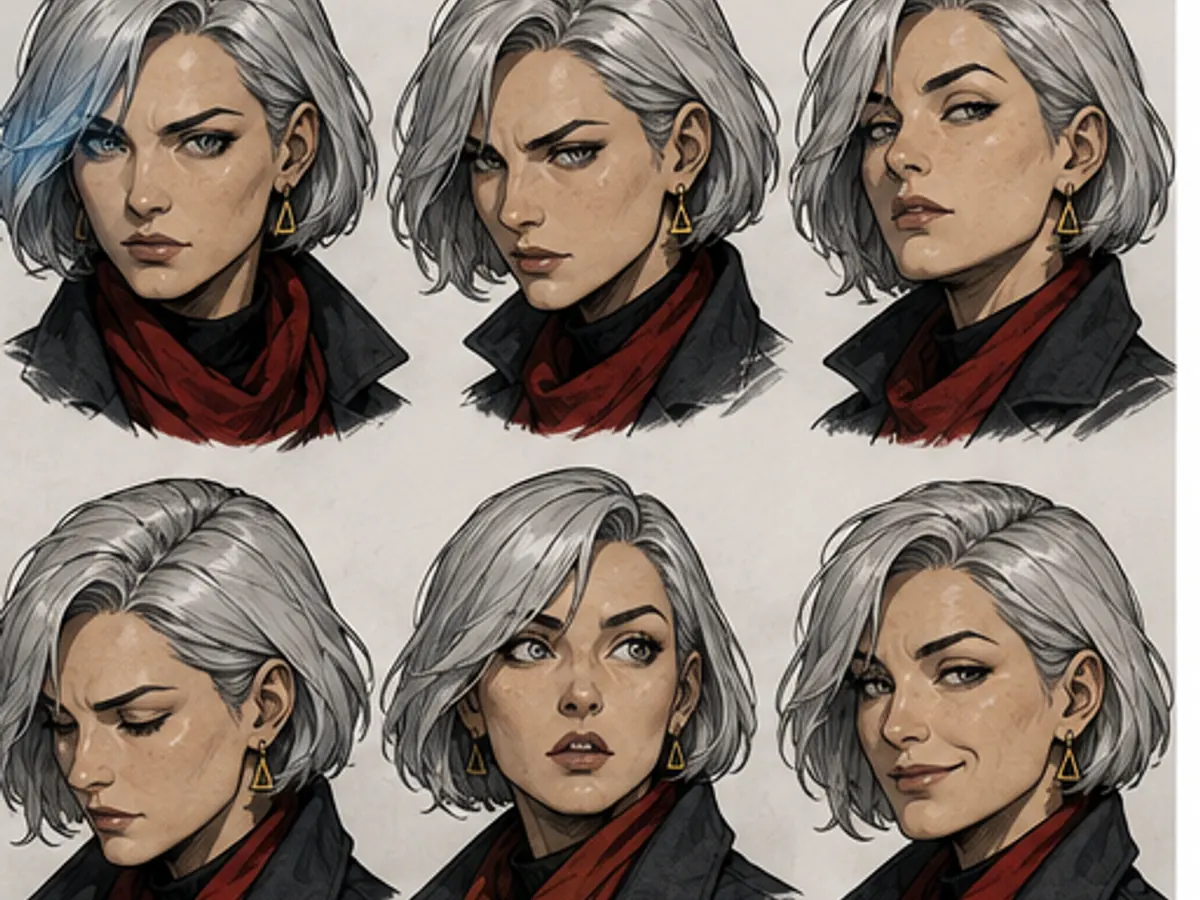
Approve a clean portrait and turnaround before action scenes. Add expressions and important wardrobe variants only when they are genuinely useful.
Label references by purpose. A model and a human reviewer can reason about ‘face anchor’ and ‘winter coat’ more reliably than an unnamed folder of images.
Control every scene
Review each panel for face, silhouette, hair, costume and signature details. Also check story state: the right prop, weather, damage and time of day.
When drift appears, correct that panel before generating more dependent work. Keep accepted versions so a repair cannot erase good surrounding art.
What you get
A short precise identity brief is easier to preserve than a paragraph of competing details.
A portrait, turnaround and expression range cover more story situations than many similar headshots.
Record temporary clothing, props, injuries and weather so they appear only when the story requires them.
Correct the first inconsistent panel before later scenes copy its changed face or costume.
How it works
Choose the stable facial, body, hair and signature traits a reader should recognise at a glance.
Create and review a compact sheet that covers angles, expressions, clothing and important props.
Compare new art with the reference, log temporary changes and replace drift before continuing.
Six checks that reduce character drift
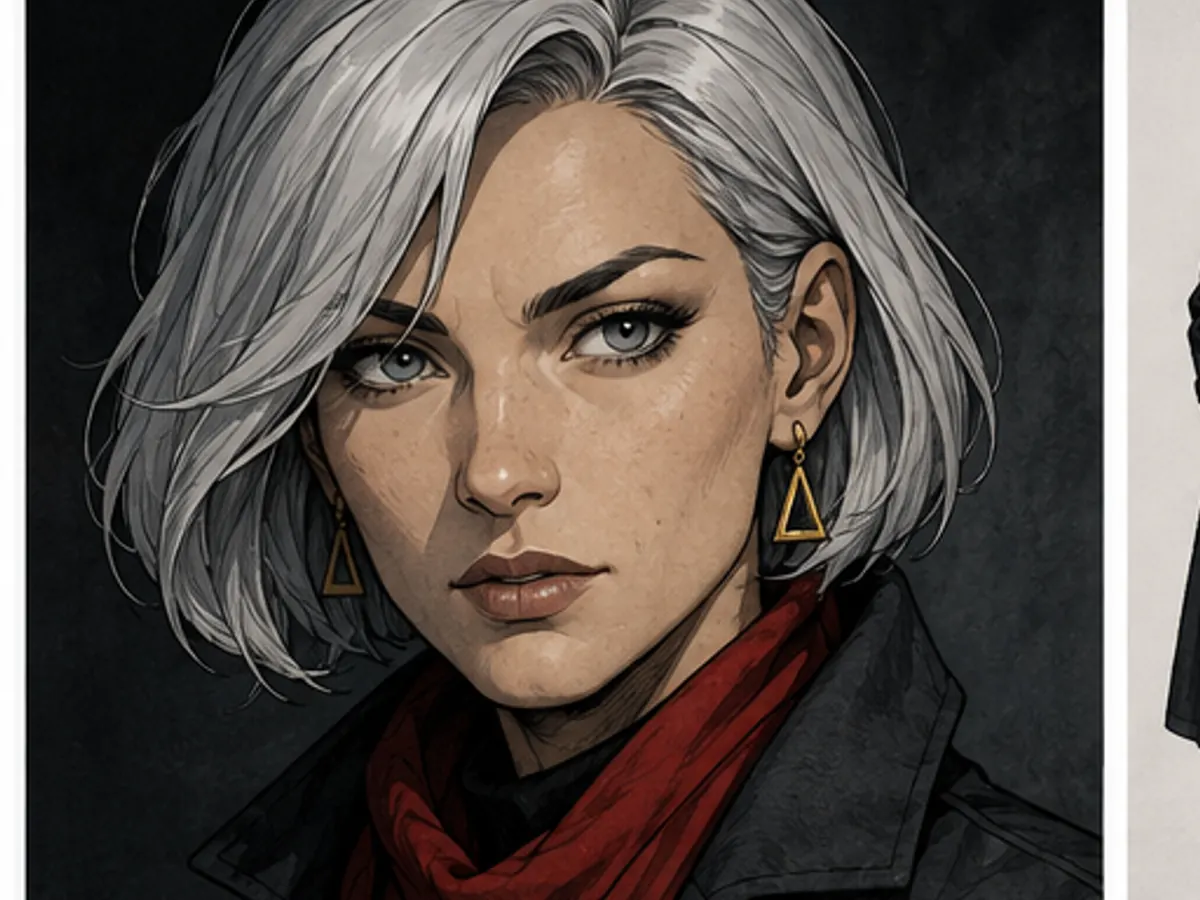
This original detective study demonstrates the reference evidence a production workflow can use. It is an educational illustration, not a claim of perfect generation.
Why creators keep control
See exactly what stays under your control. Customer quotes will appear here only when we have permission to publish them.
The visual examples on this page are original concept illustrations made for this topic. They are not customer work, benchmark results or a promise that every generated output will match them.
How we verified this
Why this beats one big prompt
Questions
Related tools
Same category, the next step in the workflow, and something to read.